Best Greyhound Betting Sites – Bet on Greyhounds in 2026
Loading...
A Track Built Twice
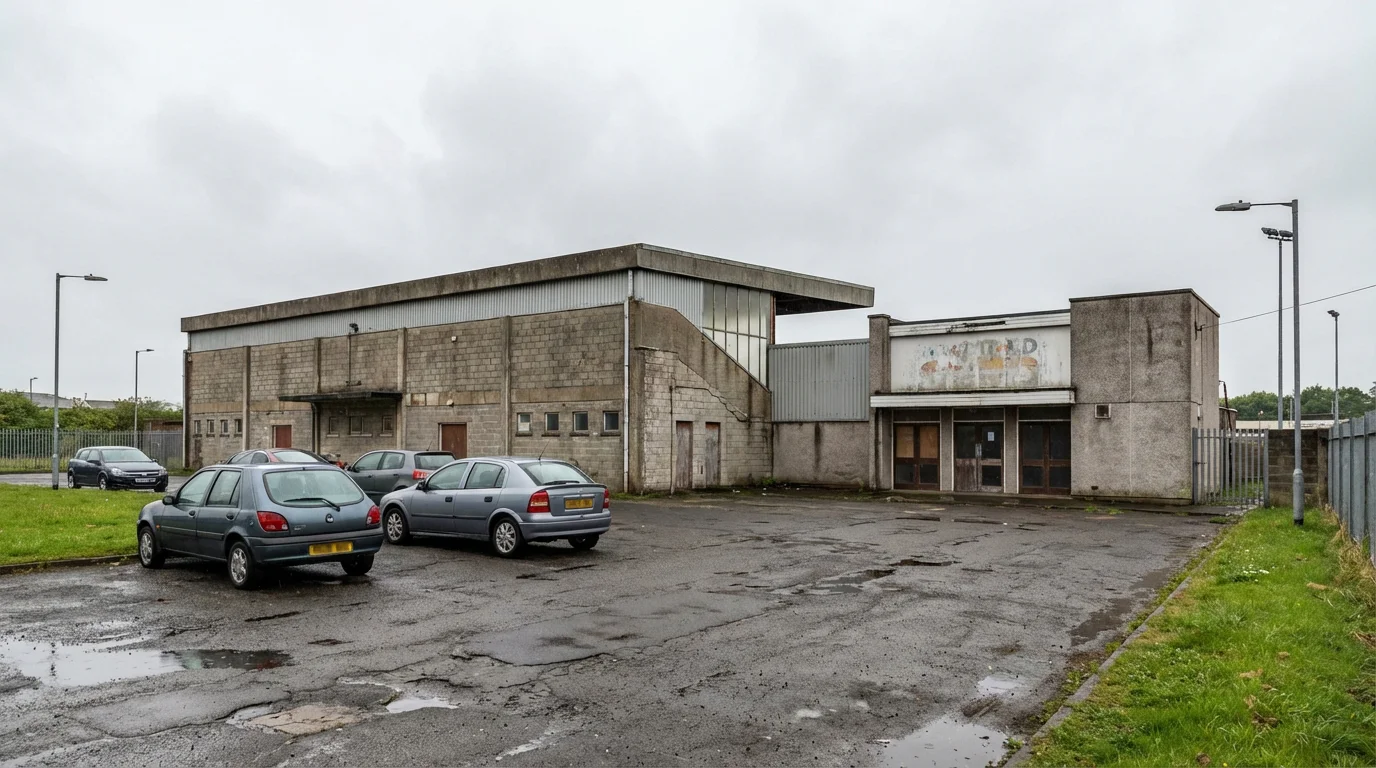
Doncaster greyhound racing has a longer and more complicated history than most punters who place a Saturday evening bet would guess. The track now known as Doncaster Greyhound Stadium — officially Meadow Court Stadium, located in Stainforth — is not the first greyhound venue in the Doncaster area, nor is its current incarnation the same facility that originally opened on the site. The stadium has been built, closed, rebuilt, and rebranded across decades, surviving economic downturns, industry upheaval, and the gradual contraction of UK greyhound racing from a mass-entertainment industry to a specialist sport.
Understanding the history of the track adds context to the racing you see today. The dimensions, the surface, the facilities — none of these exist by accident. They’re the product of decisions made across multiple eras by people who believed greyhound racing at Doncaster was worth investing in. That belief has been tested repeatedly, and the track’s survival into 2026 is itself a statement of resilience in a sport that has lost more venues than it has kept.
Stainforth Origins and the Speedway Era
The Stainforth site has hosted racing in various forms since the mid-twentieth century. The original venue served the mining communities of South Yorkshire, where greyhound racing — alongside speedway, boxing, and football — provided working-class entertainment in an era before television dominated leisure time. Greyhound tracks were community fixtures: places where local people gathered on weekday evenings and weekend afternoons, bet modest amounts on dogs they knew by name, and socialised in the stands and around the track.
Speedway racing shared the Stainforth site for a period, as was common at many UK greyhound venues. The dual-purpose stadium model — greyhounds on some nights, speedway on others — allowed operators to maximise the commercial use of the facility. The speedway connection has long since ended, but the broader-than-average track dimensions at the current stadium are partly a legacy of the era when the circuit needed to accommodate both sports.
The original Doncaster-area greyhound racing was not confined to Stainforth. At various points in the twentieth century, the Doncaster region supported multiple tracks, reflecting the national popularity of greyhound racing during its mid-century peak. At its height in 1946, UK greyhound racing attracted annual attendances of approximately 70 million — a figure that dwarfed most other spectator sports. Doncaster’s tracks were part of that boom, serving a local population with a deep cultural connection to working-dog sports.
The decline came gradually. Television reduced the demand for live entertainment. Betting shops, legalised in 1961 under the Betting and Gaming Act 1960, allowed punters to bet on greyhounds without attending the track. The economics of maintaining a stadium for greyhound racing became increasingly challenging as attendance fell, and tracks across the country began closing — a process that has continued, intermittently, into the present day. The Stainforth site survived where others didn’t, but not without interruption.
The 1993 Rebuild
The current Meadow Court Stadium is substantially the product of a rebuild completed in the early 1990s. The investment transformed what had been an aging, deteriorating facility into a modern purpose-built greyhound venue with infrastructure designed for the commercial realities of late-twentieth-century racing: BAGS meetings for the betting-shop market, evening racing for live attendance, and facilities capable of hosting the operational requirements of licensed GBGB racing.
The rebuild established the track dimensions that define Doncaster racing today: a 438-metre circumference with a 105-metre run to the first bend. These are generous dimensions by UK standards — the long run-up in particular distinguishes Doncaster from tighter circuits and gives the track its characteristic race dynamics. The decision to build a relatively spacious track was deliberate, aimed at producing competitive, clean racing that would appeal to both on-track spectators and the off-course betting market.
The sand surface was installed as part of the rebuild, replacing the earlier cinder or shale surface that had been common at older UK tracks. Sand became the industry standard during the 1980s and 1990s because it offered a more consistent, safer racing surface with better drainage characteristics than traditional materials. The switch to sand was universal across GBGB-licensed tracks, and Doncaster’s surface has been maintained and periodically refreshed since the rebuild.
Facilities constructed during the rebuild included a new grandstand, kennelling facilities meeting GBGB standards, veterinary examination rooms, a totalisator operation, and catering provision for racegoers. The infrastructure was designed to support a regular racing programme of four or five meetings per week — the schedule that Doncaster has maintained, with adjustments, through to the present day.
From Stainforth to Doncaster Branding
The track’s location in Stainforth — a village approximately seven miles north-east of Doncaster town centre — has created a persistent ambiguity in its naming. The venue is officially Meadow Court Stadium and is physically located in Stainforth, but it operates commercially under the Doncaster branding. Race results, form guides, and the GBGB register all list it as Doncaster, and the betting market knows it as Doncaster. The Stainforth address appears on the stadium’s logistics — directions, parking, postal address — but not on its race cards.
The branding choice is pragmatic. Doncaster is a well-known town with national recognition. Stainforth is a small village that most people outside South Yorkshire have never heard of. For a venue that relies on off-course betting turnover from bookmakers across the country — punters placing bets in shops in London, Manchester, and Birmingham — the Doncaster name carries commercial value that Stainforth doesn’t. The branding connects the track to a recognisable place, even if you need a more specific postcode to actually find it.
This naming convention is common across UK greyhound racing. Several tracks operate under the name of a nearby major town or city rather than their precise location. It’s a minor detail for most punters, but if you’re planning to attend the track for the first time, be aware that your satnav should be pointed at Stainforth rather than Doncaster town centre.
Modern Era and Current Facilities
Doncaster’s current operation sits within the broader context of a UK greyhound racing industry that has contracted significantly over the past three decades. The number of licensed GBGB tracks has declined from over 30 in the 1990s to fewer than 20 in 2026. Tracks in London, Birmingham, and other major cities have closed as the land they occupied became more valuable for redevelopment than for racing. Each closure has concentrated the surviving tracks’ share of the BAGS schedule and betting turnover, but it has also reduced the sport’s geographical footprint and public visibility.
Doncaster has survived this contraction by maintaining a consistent racing programme and securing regular BAGS fixtures. The track hosts racing four days a week — Monday, Wednesday, Saturday, and Sunday — with Saturday running two sessions. This volume of racing generates a steady stream of betting turnover, which is the primary revenue source for the track. The on-track attendance is modest compared to the sport’s mid-century peak, but the off-course market — bets placed in shops and online on Doncaster races — sustains the commercial operation.
Current facilities at Meadow Court include the main grandstand with viewing terraces, a restaurant and bar area, betting facilities (tote and bookmaker pitches for on-track meetings), and the operational infrastructure for licensed racing. The stadium hosts occasional special events — charity nights, themed racing evenings, and group bookings — as part of a broader commercial strategy that positions the venue as an entertainment destination rather than solely a racing facility.
The track surface continues to be sand, maintained by the groundstaff between meetings. Investments in drainage, lighting (for evening meetings), and kennelling facilities have been made incrementally, keeping the venue compliant with evolving GBGB licensing standards. The 438-metre circumference and 105-metre run-up remain unchanged from the 1993 rebuild — these are fixed characteristics of the track that define its racing character.
Looking forward, Doncaster’s position in the UK greyhound landscape is relatively stable. It has a regular racing schedule, consistent BAGS fixtures, and the operational infrastructure to continue hosting licensed meetings. The broader risks facing the industry — declining attendance, political pressure on gambling, land-value economics — apply to Doncaster as to every other track, but the venue’s location (outside the highest-value land markets) and its focus on the BAGS betting-shop product provide a degree of commercial insulation that some urban tracks lacked before they closed.
From Cinder to Sand
The surface has changed, the stands have been rebuilt, the branding has shifted from village to city, and the crowds have thinned from thousands to hundreds. But the essential activity at Meadow Court remains what it was when the Stainforth site first hosted racing: six dogs chasing a mechanical hare around an oval track while people in the stands — or in betting shops 200 miles away — try to predict which one crosses the line first. The technology, the regulation, and the commercial model have all evolved. The question hasn’t. And for as long as there are people willing to study the form, watch the races, and back their judgement, the track has a reason to keep the traps loaded.